
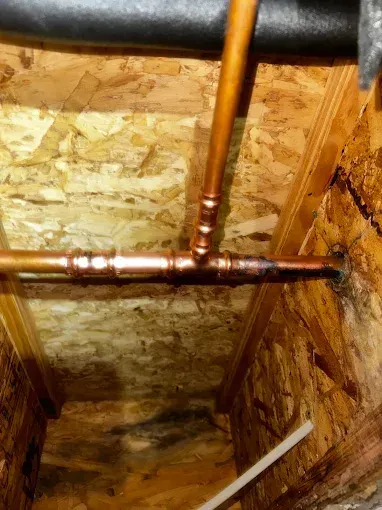
Locating Leaks You Cannot See
Leak Detection in Sacramento for hidden water loss behind walls, under slabs, and inside fixtures
Natomas Plumbing & Drains offers leak detection services for Sacramento homeowners who notice unexplained water bills, damp spots on ceilings, or the sound of running water when no fixtures are in use. A slab leak beneath your foundation or a slow drip inside a wall cavity can waste hundreds of gallons before it becomes visible. We use electronic listening devices and thermal imaging to pinpoint the source without tearing into drywall or concrete until we know exactly where the problem is.
Leaks often start small and worsen gradually, making them easy to dismiss until mold appears or flooring warps. Older homes with copper supply lines are especially prone to pinhole leaks caused by water chemistry or pipe friction. We test pressure at multiple points, isolate sections of the system, and trace lines through crawl spaces, attics, and slab edges to narrow the location before any invasive work begins.
If your water meter is spinning when everything is turned off or you have noticed a musty smell that will not go away, contact us for a leak inspection that identifies the issue early.
What Happens During a Leak Detection Appointment
You show us where you have noticed moisture, discoloration, or unusual sounds, and we begin by checking the most common failure points such as supply risers, toilet connections, and water heater fittings. If the leak is not obvious, we use acoustic sensors that amplify the sound of water escaping under pressure, even through several inches of concrete. Thermal cameras reveal temperature differences where water is pooling behind a surface.
Once the leak is located, you will know whether it is in a shut-off valve, a corroded pipe joint, or a cracked supply line. Natomas Plumbing & Drains marks the area, explains what repair will involve, and provides an estimate before cutting into any structure. After the repair, the damp spot dries, water pressure stabilizes, and your usage returns to normal. We recheck the meter after the fix to confirm the leak is fully resolved.
We do not perform drywall patching, texture matching, or painting, but we cut access holes as small as possible and leave edges clean for your contractor. If a slab leak requires rerouting the line through the attic instead of breaking the foundation, we discuss both options and help you weigh cost against disruption.
Answers to Common Leak Detection Questions
Homeowners often want to know how leaks are found, what damage to expect, and how quickly the problem can be fixed. Here are answers to the questions we hear most during inspections.
How do you find a leak under a concrete slab?
We use a combination of pressure testing, acoustic listening equipment, and thermal imaging to identify temperature or sound anomalies that indicate water movement beneath the floor.
What are the signs of a hidden leak?
Increased water bills, wet spots on floors or ceilings, mold growth, low water pressure, or the sound of running water when all fixtures are off are common indicators.
How much damage will finding the leak cause?
Detection itself is non-invasive, but accessing the leak for repair may require cutting drywall or concrete depending on location, and we minimize the size of the opening based on what the equipment shows.
Why does my water bill keep climbing even though usage has not changed?
A slow leak in a supply line or toilet flapper can waste significant water without creating visible puddles, especially if it drains into soil or a crawl space.
Can a leak be repaired the same day it is found?
In many cases yes, particularly if the leak is at a fitting or valve, though slab leaks or concealed pipe runs may require scheduling a second visit to complete the repair safely.
Natomas Plumbing & Drains has traced leaks in Sacramento homes of all ages and construction types, from post-war ranches to newer two-story builds. If you suspect a hidden leak or want to rule one out before water damage spreads, call (916) 267-4295 to schedule a precise, equipment-based inspection.